From scanning and surgical guides to clear aligners, same-day crowns, implants, and bone regeneration — 3D printing now covers the full clinical spectrum of restorative, orthodontic, implant, maxillofacial, and periodontal care. It's more than a tool for efficiency; it's the foundational platform for precision, personalization, and chairside dentistry. With innovations like zirconia inkjet and bioceramic printing, 3D printing is advancing from auxiliary fabrication to direct manufacturing of end-use medical devices and restorations.
3D-Printed Surgical Guide Applications
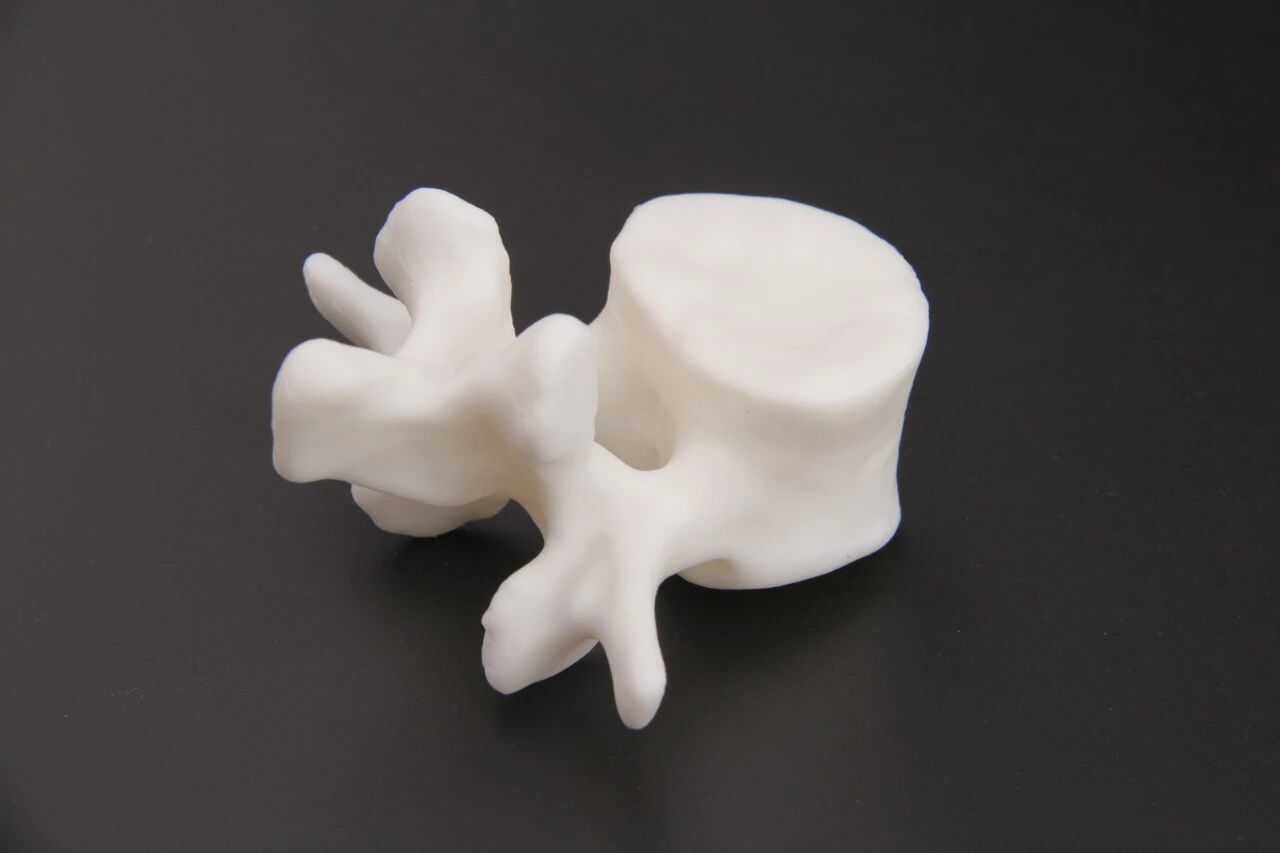
3D-printed surgical guides enable a higher level of personalized customization and surgical precision, providing patients with safer and more efficient medical care. For example, 3D-printed radiotherapy guides, orthopedic surgical guides, dental implant guides, and spinal surgical guides have been increasingly used in clinical applications.
When selecting 3D printing materials, key requirements include biocompatibility, mechanical strength, and printing accuracy. Currently, eSUN’s PLA+, PLA Super Tough, eResin-PLA Pro bio-based high-precision resin, and Surgical Guide Resin have been adopted by downstream users for producing 3D-printed surgical guides, related surgical models, and other medical applications.
Dental Applications
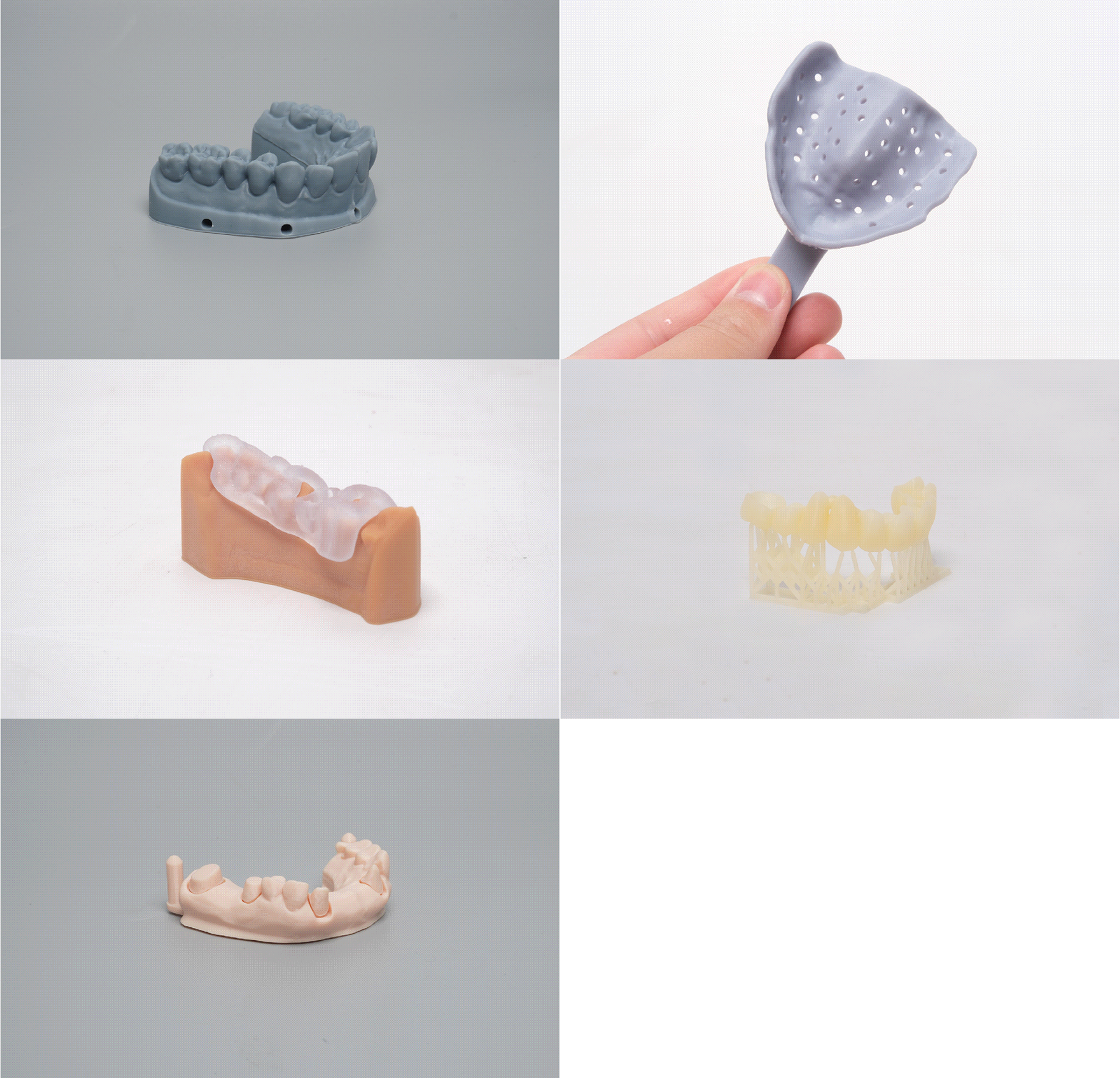
Designed for digital dental clinics and dental laboratories, eSUN’s full range of dental photopolymer resins comes with relevant compliance certifications, covering the entire workflow from implantology, orthodontics, and restorative dentistry to dental laboratory applications.
The materials offer high biocompatibility, high precision, low water absorption, and high-temperature sterilization resistance, making them suitable for the rapid chairside customization of various dental appliances. They help shorten treatment cycles while ensuring clinical safety and dimensional stability.
TPU & TPE Applications in Orthotic Insoles
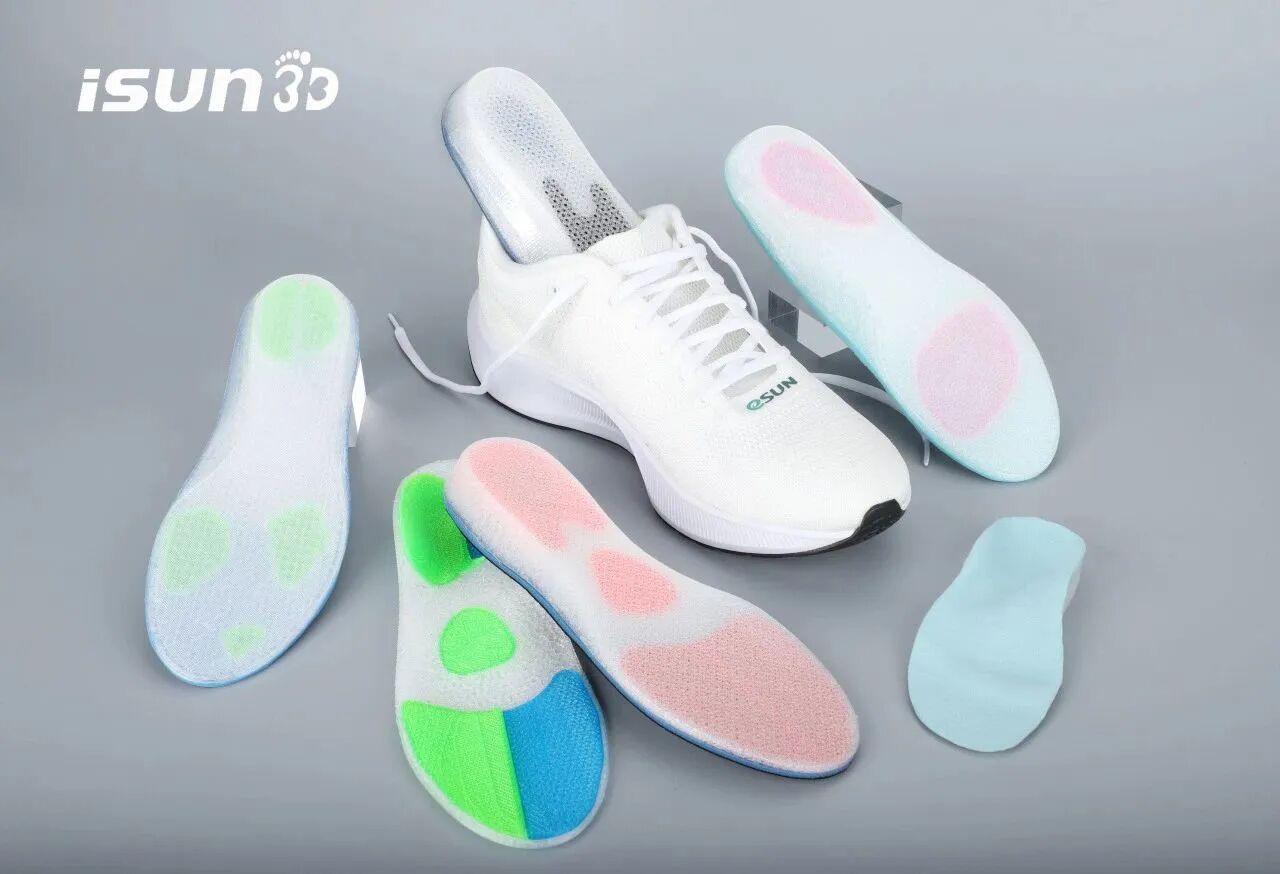
In 3D-printed orthotic insoles and footwear applications, flexible materials such as TPU and TPE are playing an increasingly important role.
TPU-95A offers excellent elasticity and flexibility, along with outstanding tear, abrasion, and cut resistance. Its relatively high hardness and good rebound make it particularly suitable for applications such as orthotic insoles. In 2022, eSUN collaborated with Wanhua Chemical to develop antibacterial TPU 3D printing material. Orthotic insoles printed with this material can effectively inhibit the growth of fungi and bacteria, achieving an antibacterial rate of over 99.9%. The material also provides excellent mold resistance, achieving Grade 0 for mold resistance and effectively preventing mold growth.
ABS, Low-Temperature PCL PP Applications in Spinal Orthoses and Rehabilitation Supports
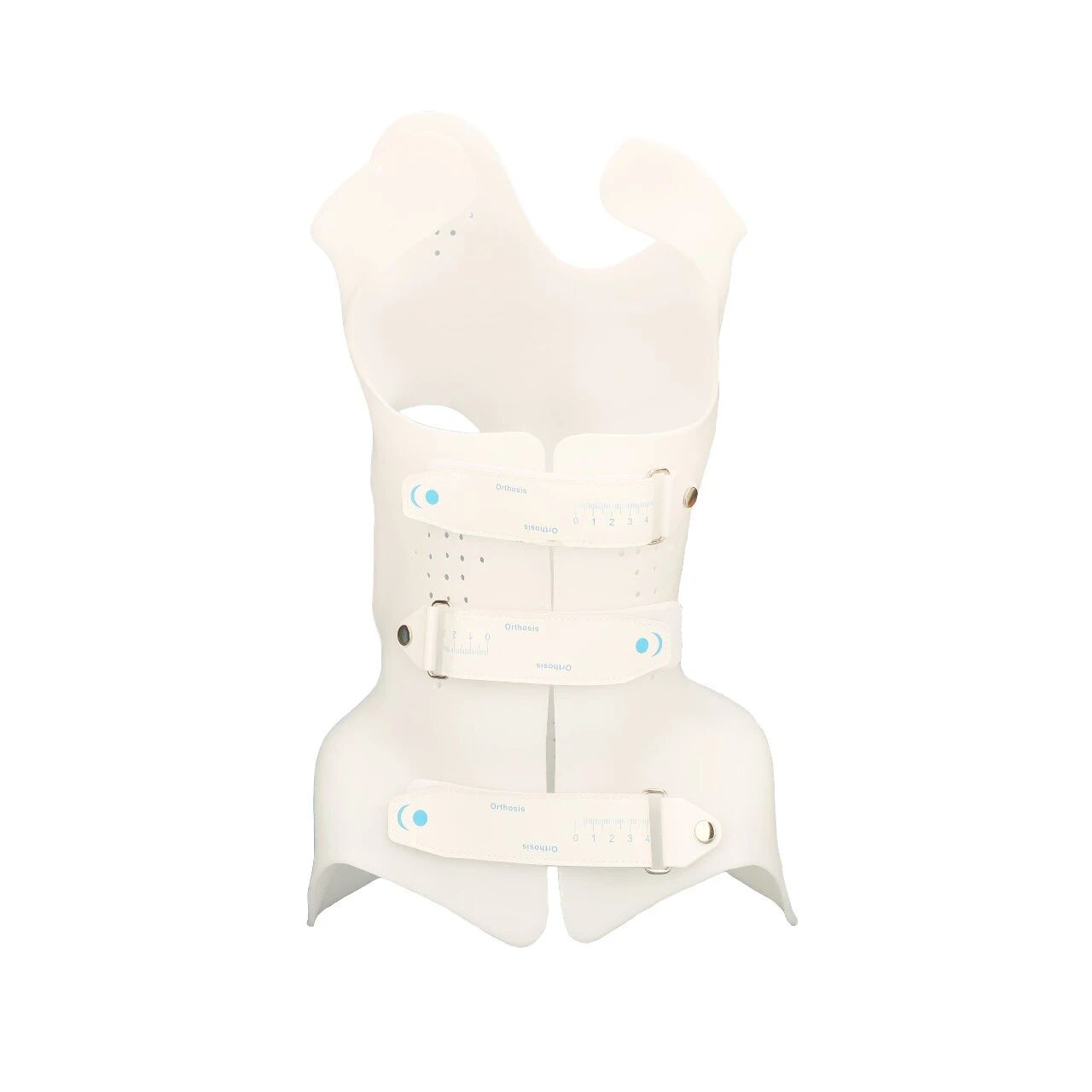
Strength and durability are essential for spinal orthoses and rehabilitation supports. eSUN ABS offers high impact resistance and durability, providing reliable support and protection. Its heat-resistant ABS features a heat deflection temperature of up to 100°C, maintaining stability in high-temperature environments with reduced deformation.
Low-temperature PCL can also be used for lightweight, customized rehabilitation and orthotic applications, supporting personalized patient care.